Skip to content
Intellisane AI

Training data for robots that see

Precise annotation for inspection, picking, navigation and warehouse automation, so your models run safely and efficiently on the factory floor.

  • Robot perception data
  • Boxes & classification
  • Pallets & cartons
  • Semantic segmentation
  • Polygons
robot_cell_04.jpg1 / 4
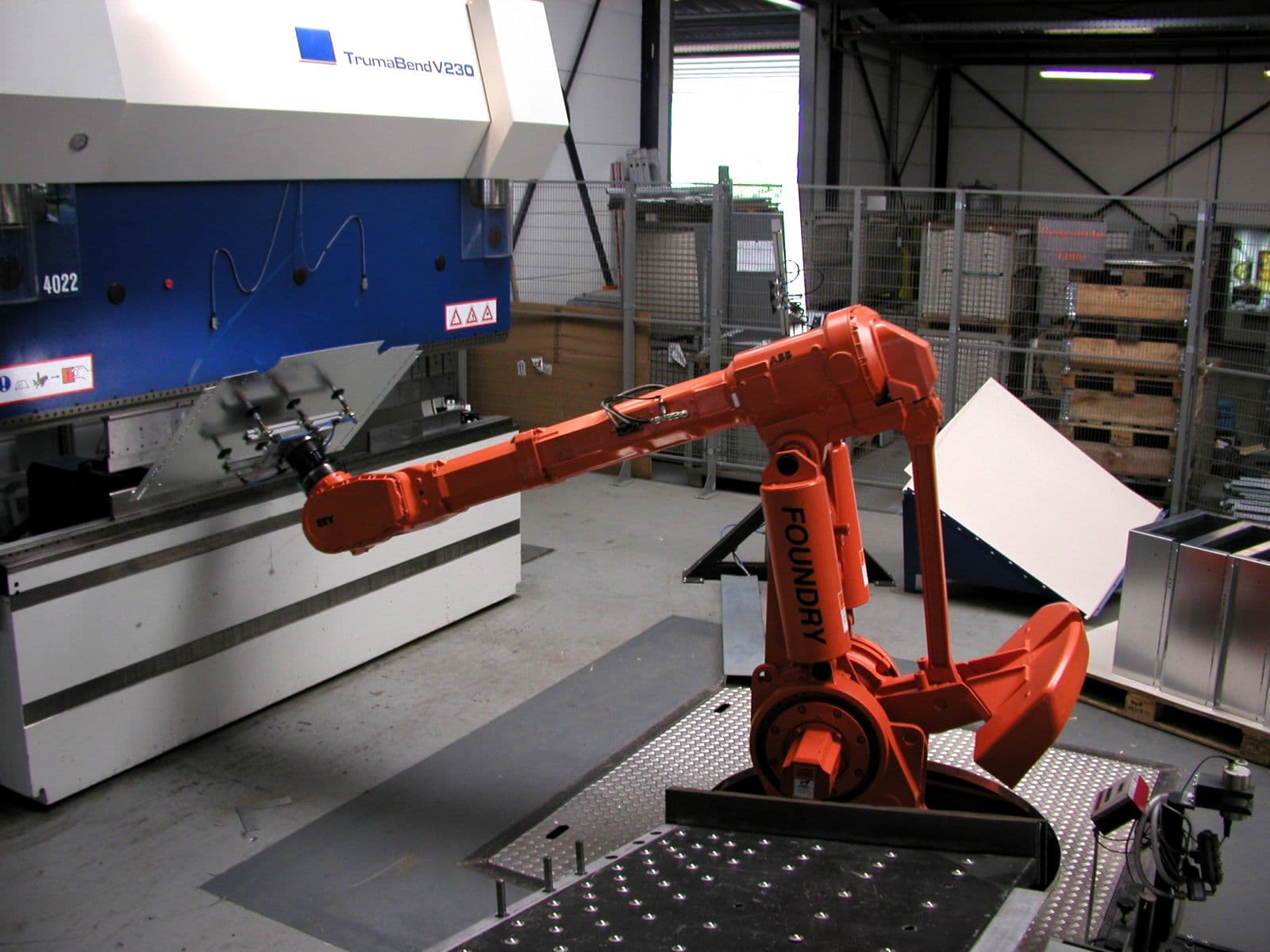
Industrial robot arm working in a production cell
auto-detecting objects…
  • MindEarth
  • Taranto
  • Felucca
  • Virtual Staging
  • Algolight
  • Innodata
  • Stay22
  • Toothlens
  • Agnitu
  • Shaip

Use cases

Where our data makes a difference

Training data built around the use cases our clients take to production.

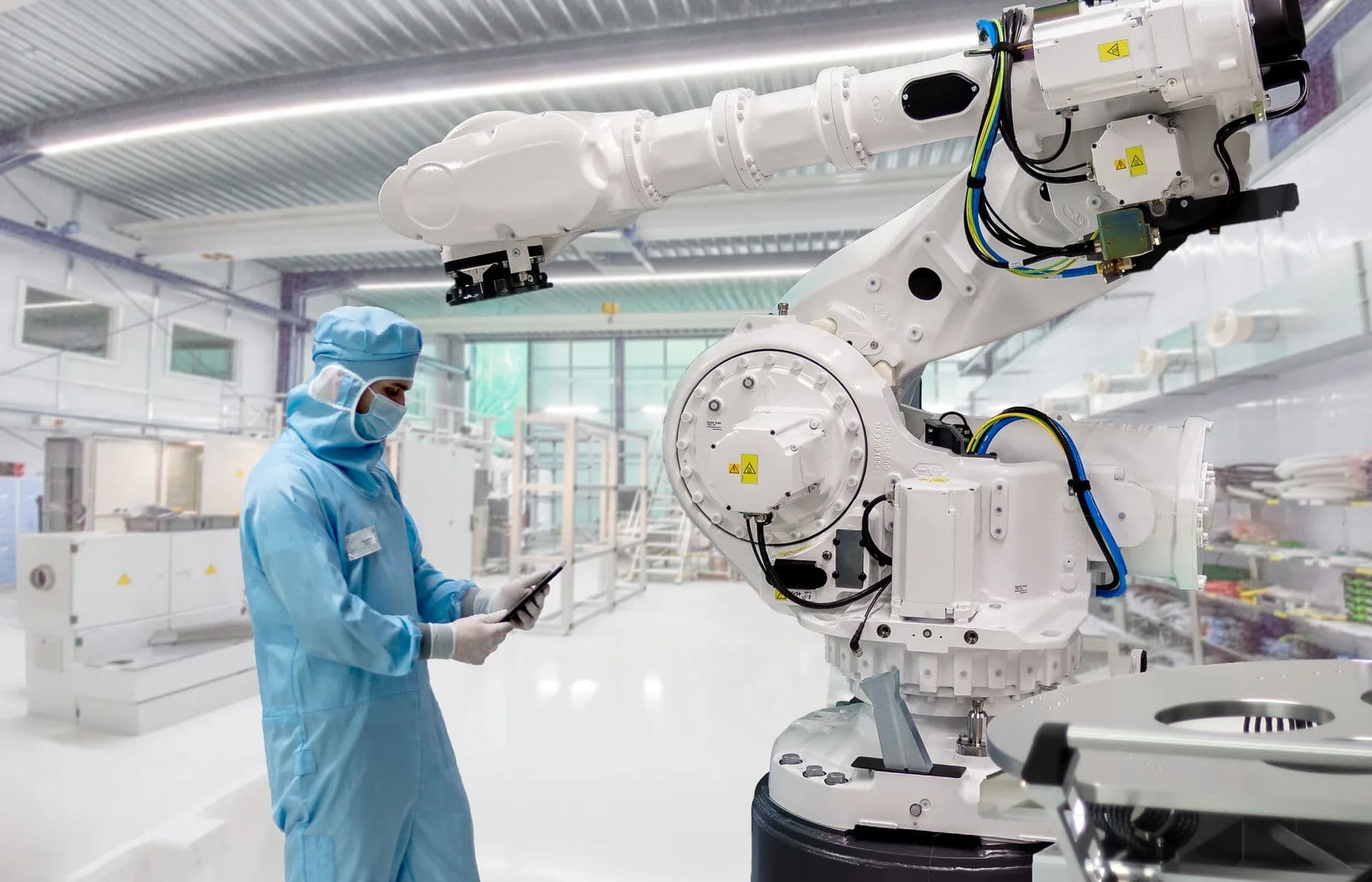
  • Industrial robot arm next to an operator in a cleanroom
    01

    Industrial automation

    Smarter Industrial Automation

    Industrial Automation Data Labeling by Intellisane AI involves precise annotation of sensor and visual data to train AI models for automating manufacturing processes. Intellisane AI ensures accuracy in quality inspection, workflow optimization, and predictive maintenance, enabling smarter and more autonomous industrial operations tailored to your needs.
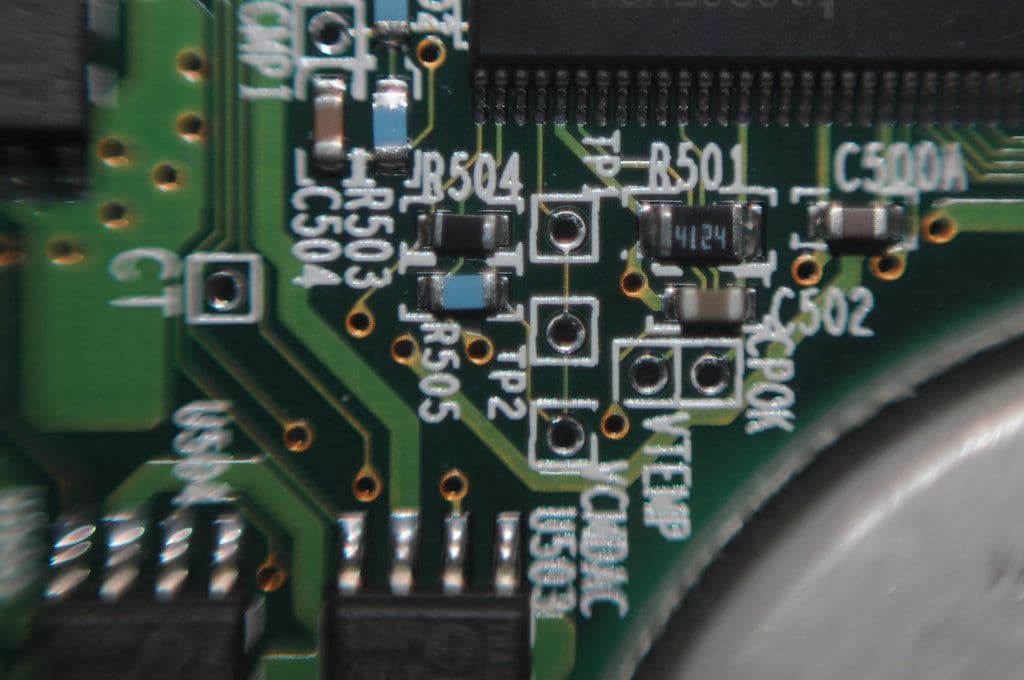
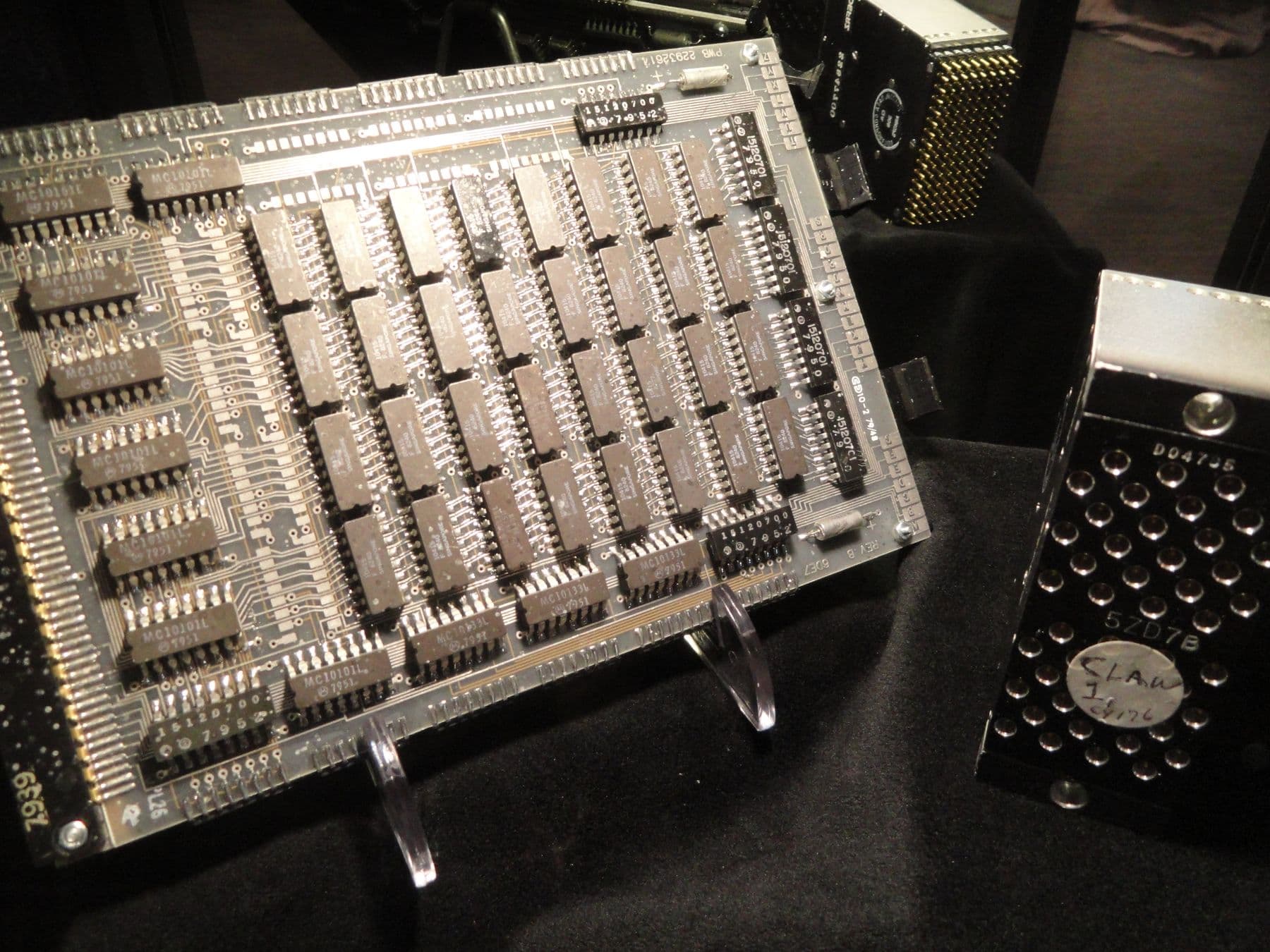
  • Close-up of a printed circuit board
    02

    Inspection & quality control

    Elevating Quality Control with Intelligent Insights

    Inspection and quality control data labeling plays a vital role in ensuring consistent and high-quality manufacturing output. By annotating images and sensor data, Intellisane AI helps train AI systems to detect defects, identify anomalies, and automate quality checks. Our expertise ensures the production line meets rigorous standards, reducing errors and improving overall efficiency.

  • Inductors and capacitors on a circuit board
    03

    Predictive maintenance

    Proactive Maintenance: Redefining Manufacturing Efficiency

    Predictive maintenance is crucial for minimizing downtime and optimizing operational efficiency in manufacturing. By annotating sensor data and operational metrics, Intellisane AI enables AI systems to forecast equipment failures and schedule timely maintenance. This proactive approach reduces unexpected breakdowns, enhances productivity, and extends the lifespan of machinery, ensuring smooth manufacturing processes.

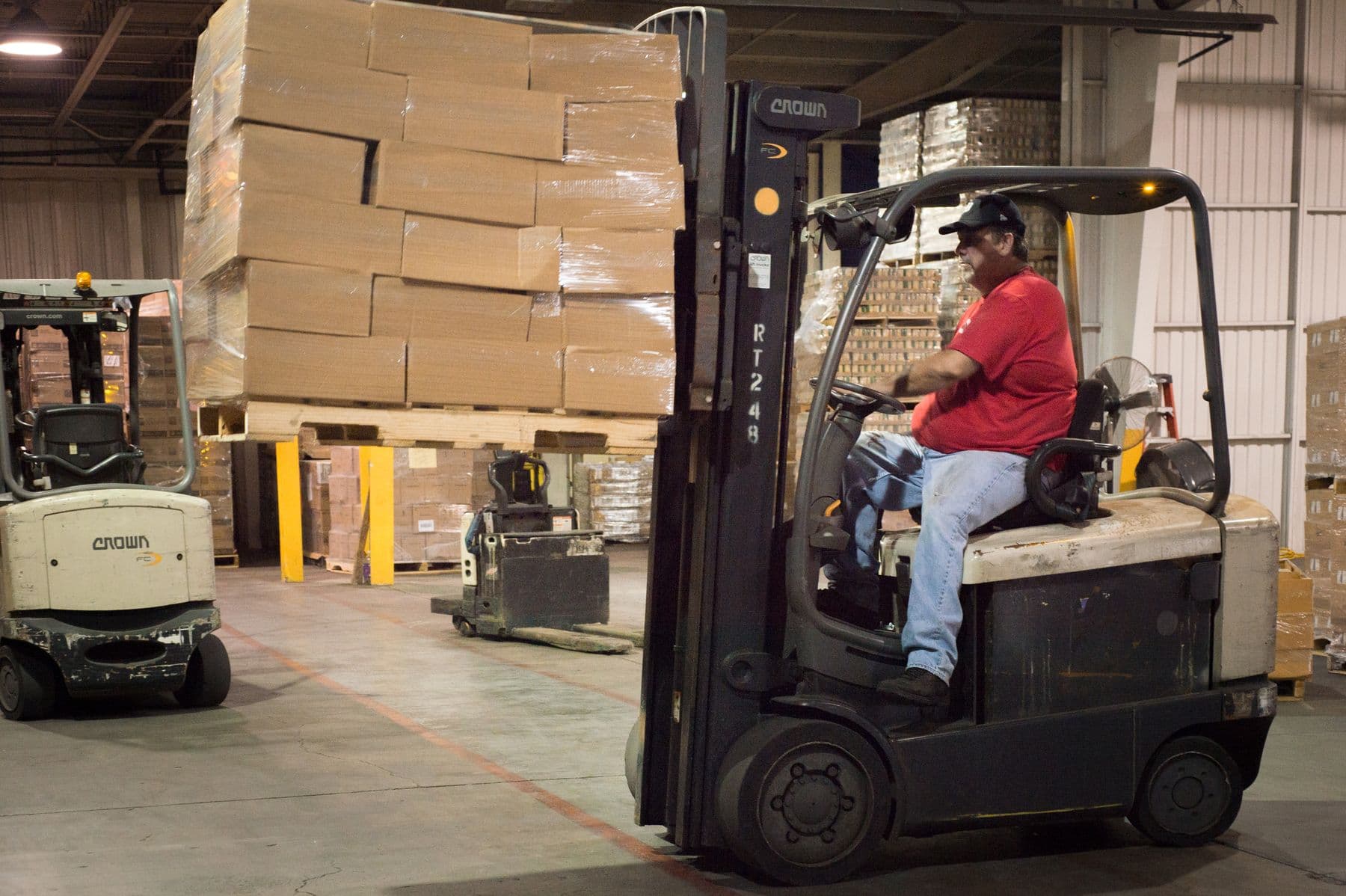
  • Forklift operator moving pallets in a warehouse
    04

    Perception & navigation

    Precision Mapping and Navigation for Autonomous Robotics

    Robotic perception and navigation are essential for enabling autonomous robots to understand and interact with their environment. By annotating sensor data and visual inputs, Intellisane AI enhances the capabilities of AI systems in recognizing obstacles, mapping surroundings, and making real-time decisions. This improves the efficiency and safety of robots in various applications, from manufacturing to logistics, ensuring they navigate complex environments seamlessly.

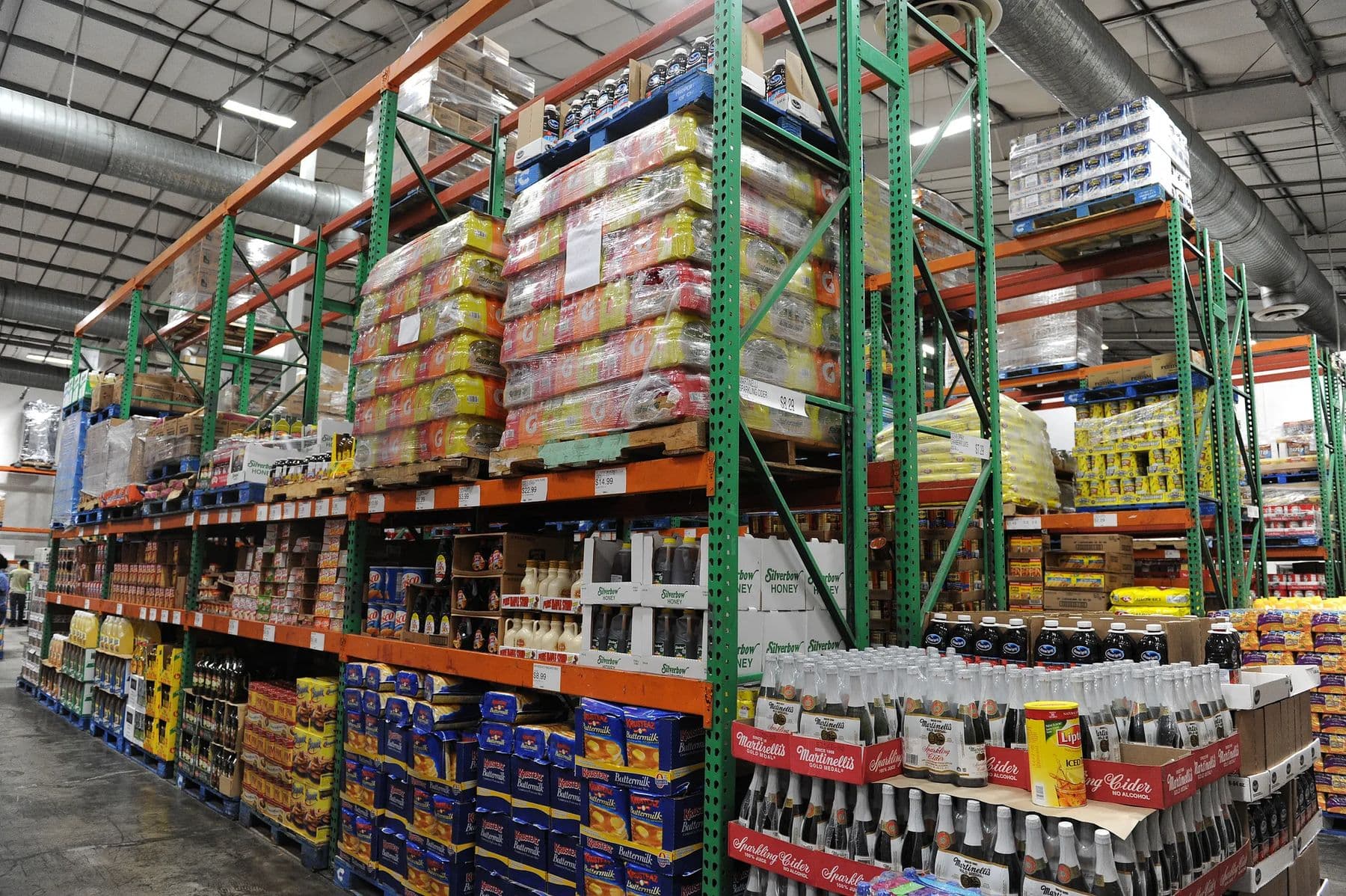
  • Warehouse racking with pallets of products
    05

    Warehouse inventory

    Enhancing Warehouse Efficiency with Smart Inventory Management

    Warehouse inventory management is crucial for optimizing storage efficiency and streamlining supply chain operations. Intellisane AI enhances inventory tracking by annotating visual data and sensor inputs, allowing AI systems to monitor stock levels, identify discrepancies, and predict inventory needs in real-time. This approach improves accuracy and reduces waste, ensuring that warehouses operate smoothly and respond effectively to demand fluctuations.

Annotation types

The right label for each job

Pick an annotation type to see what it's for and how it looks on real data.

Forklift operator moving pallets in a warehouse

Robot perception data

Forklifts, pallets, people and obstacles are labeled in camera feeds from robots and AMRs, so they can detect what is around them and move safely through busy warehouses and factory floors.

What makes it hard

The hard parts of manufacturing and robotics data

These are the problems that quietly break models in this domain, and how our guidelines handle them.

Edge cases we label

  • Hairline scratches
  • Shiny metal glare
  • Stacked pallets
  • Partially picked bins
  • Worker near robot
  • Misaligned components
  • Subtle defects

    Scratches, dents and misalignments are tiny and rare; annotators work from defect catalogs and reference images.

  • Reflective and textureless parts

    Metal and plastic surfaces confuse both people and models, so we label with zoom and multiple views.

  • Human–robot safety

    People near machines are labeled with poses and proximity zones for safety systems.

  • Changing product lines

    Taxonomies evolve as SKUs change; guidelines are versioned and re-calibrated with you.

How we work

Calibrated on your data before we scale

Every project follows the same five steps, with multi-layer QA backing our 98%+ accuracy guarantee.

  1. Step 01

    Consult

    We review your data, edge cases and success criteria, then write annotation guidelines with you.

  2. Step 02

    Annotate

    A trained team labels a pilot batch, following the agreed guidelines to the letter.

  3. Step 03

    Calibrate

    You review the pilot. We fold your feedback into the guidelines before scaling up.

  4. Step 04

    Multi-layer QA

    Every batch passes peer review, expert QA and automated checks before it leaves us.

  5. Step 05

    Deliver

    Labels ship in your format on your schedule, ready to drop into training.

Proof

Trusted by AI teams in 23 countries

Taranto

“Intellisane AI played a key role in helping us reach 97% accuracy in automating foundation layout detection. Their deep understanding of spatial data and labeling precision brought measurable improvements to our AI pipeline. The team was communicative, detail-oriented, and delivered everything ahead of schedule.”

S. Ragavan
Sr. ML Engineer, Taranto

Case studies

See how other teams used our data in production.

Browse case studies

Get started

Let's talk about your data

Tell us what your model needs to learn. We'll scope the work and label a free pilot batch.